

Understanding Religious Rituals
Religion shaped human societies from the very beginning. Rituals stand out as one of the most fascinating parts of religion, passed down like secret recipes through generations. These ceremonies reveal deep beliefs, values, and traditions that define many faiths. To get what rituals really mean, people have to look past the surface and feel the raw spirit behind them. Rituals are like bridges connecting everyday life to something bigger, feeding the soul and sparking a sense of belonging. People who want to grasp how faith moves and lives through actions will find a treasure trove here. Keep reading to uncover how these timeless traditions boost faith and bring people together.
The Purpose of Religious Rituals
Religious rituals serve various purposes within the context of faith and community. They are often seen as a means of connecting with the divine, seeking blessings, or demonstrating devotion to a higher power. In some religions, rituals are also employed to mark significant life events, such as birth, coming of age, marriage, and death. Additionally, rituals can foster a sense of unity among believers, as they participate in shared practices that reaffirm their faith and cultural identity. These rituals may vary in form and function, but they ultimately aim to strengthen the spiritual bond between individuals and their faith.
Common Elements of Religious Rituals
While religious rituals differ substantially across religions and cultures, certain common elements can be observed:
- Symbolism: Symbols are powerful tools used in religious rituals to represent abstract concepts or divine entities. Icons, statues, sacred texts, and even natural elements like fire and water serve as symbols that carry deep spiritual meanings.
- Repetition: Repetition is a common aspect of rituals, and it has both psychological and spiritual significance. Regularly engaging in ritualistic practices helps reinforce faith, instill discipline, and create a sense of continuity.
- Sacred Spaces: Many rituals are performed in dedicated sacred spaces, such as temples, churches, mosques, or shrines. These spaces are believed to be infused with divine presence and offer a conducive environment for spiritual communion.
- Rites of Passage: Rituals that mark significant life transitions, such as baptism, bar mitzvahs, or funeral rites, are referred to as rites of passage. These ceremonies act as milestones in an individual’s spiritual journey and community integration.
- Prayer and Meditation: Central to most religious rituals is the act of prayer or meditation, which serves as a means of communication with the divine and a path to attain inner peace and enlightenment.
Diversity of Religious Rituals
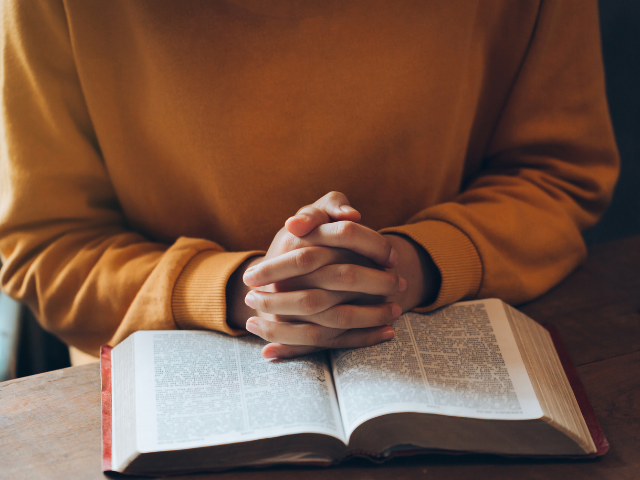
Religious rituals showcase the extraordinary diversity of human spiritual expressions. Let’s explore some prominent examples from different religious traditions:
- Hinduism: The rich tapestry of Hindu rituals embodies a multitude of ceremonies, including puja (devotional worship), yagna (sacred fire offerings), and kumbh melas (pilgrimages). These rituals vary regionally and align with specific deities and cosmic cycles.
- Christianity: Christian rituals encompass the sacraments, such as baptism, holy communion, and confirmation. These rites hold immense significance as they symbolize purification, unity with Christ, and the reception of the Holy Spirit.
- Islam: The Five Pillars of Islam constitute fundamental rituals for Muslims. These include the declaration of faith (Shahada), daily prayers (Salah), charity (Zakat), fasting during Ramadan (Sawm), and the pilgrimage to Mecca (Hajj).
- Buddhism: Buddhist rituals involve meditation practices, chanting of sutras, and offerings to Buddha statues. Monastic ordination and Wesak, the celebration of Buddha’s birth, enlightenment, and death, are among the essential Buddhist ceremonies.
- Judaism: Jewish rituals involve the observance of Shabbat, Passover, Rosh Hashanah, Yom Kippur, and other festivals. Circumcision (Bris) for boys and Bat Mitzvah for girls are also significant life cycle events.
Conclusion
Religious rituals are profound expressions of humanity’s spiritual quest and cultural heritage. They offer a window into the deep-rooted beliefs, values, and practices that have shaped civilizations over millennia. Understanding these rituals allows us to appreciate the universality of human spirituality and the diversity of expressions across different faiths. By embracing this diversity, we can foster mutual respect and understanding, paving the way for a more harmonious and interconnected global community. For more insights and further information about understanding religious rituals, be sure to visit Innovation Tech Today to know more.


